

I spoke with Harry Busz, Deputy Director of Democracy Volunteers, about the current issues with voter participation, electoral integrity and the effectiveness of the UK’s electoral system. Democracy Volunteers is the largest electoral observation organisation in Western Europe and will deploy approximately 200 volunteer election observers across England on May 7th.
Let me take you through a typical election day…
7am
The polling staff are sealing the ballot boxes and having their morning coffee. They open the door, and the first voter of the day walks in. In the corner sits an election observer for Democracy Volunteers.
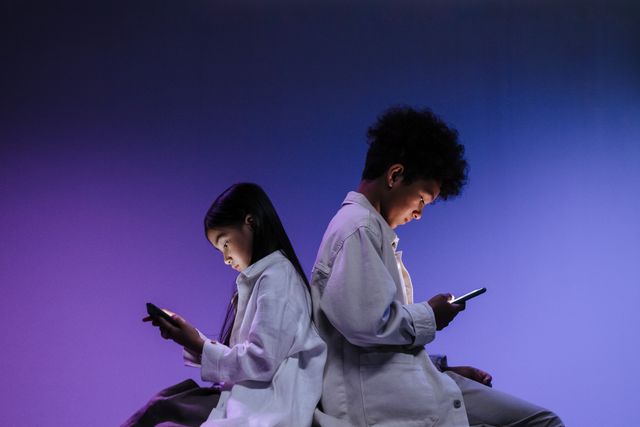
The first voter of the day is young and frightened. Harry explains that young voters are often intimidated by the formal process of voting, and that if a young person fails to vote in their first election, they are much less likely to ever vote in the future. This is because voting is a "habit forming" action, meaning that life-long voters are usually those who have voted as soon as they could. He emphasises that voting needs to be demystified for young people, that we need more education on the process itself: how to correctly fill in a ballot paper and how to register. For more complex elections, such as the Mayor of London elections, this confusion over how to vote can lead to more ballots being rejected. It is not that young people don’t want to vote; it is that the formality of the process can be too intimidating, if they are not taken through by a friend or family member.
11:30 am
A woman comes in to vote, presenting ID bearing her maiden name. Yet the name on the registration form lists her married one.
Harry highlights that there are a disproportionate number of newly married women turned away at the polling station as their names don’t match the documents. This is also the case for many transgender people, particularly where their ID no longer matches their preferred name or if their appearance has significantly changed. As registration is already over, they are simply turned away. With new voter ID laws, these specific groups are further disenfranchised. Harry jokes that polling staff become security officers, enforcing tight restrictions on who can and can’t vote.
2pm
The election observers overhear a conversation between a mum and her 16-year old.
The mum explains that soon, like in Scotland and Wales, 16-yr olds will be able to vote in England. In Scotland and Wales, polling stations are often located in schools in order to encourage young people to vote. This concerns some parents in case a teacher influences a child’s voting intentions just before they go to vote. However, for Harry, the positives of this legislation outweigh the potential negatives. Encouraging more young people to vote could increase participation and amplify young voices through official political channels more than ever before.
10pm hits
The polling station closes. A man rushes in, holding a bunch of postal votes in his hand.
Alas, it is too late. In the UK, Democracy Volunteers have found that large cohorts of ballots are dispatched too late due to Royal Mail’s declining reliability and Ofcom investigations. This is particularly pertinent for those voting from overseas territories, millions at risk of losing their vote.
After a long day, going from polling station to polling station, it is time to sit back and reflect.
Harry explains that there are ways our system can be improved, some that are currently in trial. For example, early voting is a process already established in Scandinavia and has previously been trialled in Wales. This would mean people could cast their vote at the polling station, within the week running up to an election, rather than it all coming down to one day. This would increase turnout from those who may be away or unable to go to the polling station on election day. Another option is to implement mobile voting. This would bring the vote to people, particularly helpful for those with disabilities or in care homes.
A few weeks post-election day
Democracy Volunteers have gathered their findings. Their reports are used to influence electoral legislation and make recommendations to the government and the Electoral Commission as a “critical friend”. Their recommendations are looked at by parliamentary committees, those in the House of Lords and government organisations.
Whilst the work that Harry does may not reach the headlines like immigration or the NHS, his work is integral to our democracy- something we often take for granted.
.svg)
Hannah is a third year Politics with Quantitative Research Methods student at the University of Leeds. She is currently undertaking a year abroad at Sciences Po Aix. She is interested in social justice, AI and democracy, and is currently enjoying learning French and recovering from running the Manchester Marathon 2025! Outside of politics, she’s in a pop dance group and she is also a singer in a music band.
.svg)

.jpg)
.svg)
.svg)