


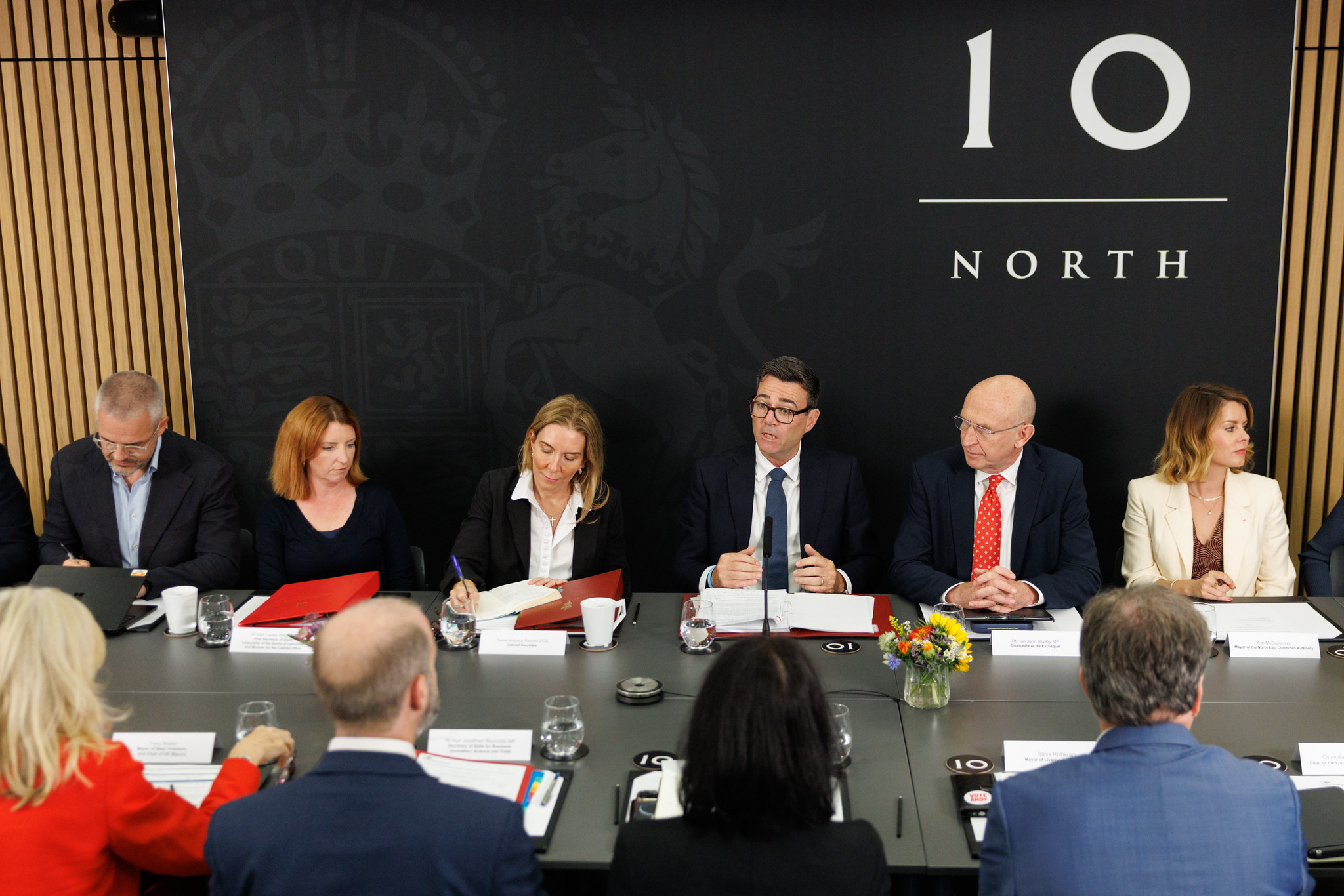
The resignation of the elected Prime Minister, Sir Keir Starmer, midway through his term has led to the rise of a new but entirely unelected Prime Minister: Andy Burnham. Not a single general election vote cast in his name, much like some of his Conservative predecessors. The public’s acclimatisation to the carousel of Prime Ministers began with Boris Johnson and was meant to end with Rishi Sunak. The erosion of public trust in politician’s has never been clearer, with members of the public calling for Starmer’s resignation after only two years.
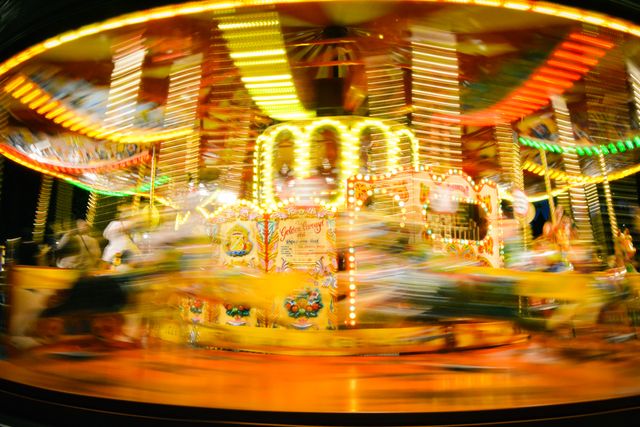
The slow death of the Johnson government pushed open the door to leadership bids and infighting before Liz Truss was eventually elected leader of the Conservative Party and consequently Prime Minister. However, the attempt at stability quickly crumbled, with her becoming the shortest-serving PM in British History, in office for just 45 days. Next came the failed challenger, Rishi Sunak, who ultimately called a General Election for July 2024 and ended his premiership with an historic Tory defeat. The Labour Party ran on the pledge that they would stop the “endless Conservative chaos” created by the instability in their leadership. However, they seem to have fallen victim to the very same instability.
The United Kingdom traditionally holds elections at five-year intervals, a reasonable amount of time to allow governments to make changes and implement policy before being put to the test by the electorate again. However, the last time a Prime Minister served their full term was David Cameron, seemingly a lifetime ago (2010-2015).
Whilst voters do not vote for the leader of the party, rather their local MP, the leadership of a party undoubtedly has an impact on whether they are able to get a majority. With a change of Prime Minister, comes a change in policy, and a change in direction. This lack of consistency from UK governmental leadership is detrimental not only to us as citizens, but to our reputation internationally. Relationships built by Prime Minister’s with global powers become reduced to a fleeting connection which does nothing to serve the UK’s interests. Furthermore, the constant interchanging of ministers weakens the stability of different departments and prevents civil servants from being able to entrench public policy in a meaningful way.
Everyone acknowledges change and implementation takes time but then refuses to give the government the time to do so. The Starmer government was given just over two years to complete a shift from 14 years of a Conservative government. The lack of grace afforded to Prime Minister’s has increased with the frequency of opinion polls driving MPs to abandon their incumbent leaders.
The pressure on the public with the cost-of-living crisis and lack of housing affordability encourages people to want leaders to be more than human, to make change that can be felt overnight. Logically, voters know this is impossible, but it does not stop them from wanting it. Forcing out Keir Starmer was done by his MPs, but this was driven by opinion polls and public feeling that he was not up to the job, despite winning a majority less than three years prior. Change can happen, but giving a government time is also important. By cutting off governments at the knees, progress that may have come about is stopped, and policy is set back to square one. Consistently throwing away Prime Minister’s might seem like a good idea in the moment, but the long-term impact is detrimental to the UK’s development.
This habit is compounded by MPs constant need for approval ratings to be in their favour, for their fear of losing their seat seems to be their primary concern. Perhaps this view is too cynical, and MPs would argue that it was the direction of government which they disagreed with. However, as backbenchers they have the power to lobby and prevent government from making policy decisions, which they did in the case of the planned welfare cuts which Starmer then watered down to appease MPs. Regardless, they seem exuberant with their choice of Andy Burnham, whose leadership has led to Labour polling above Reform UK for the first time in a long period. However, a bump in approval is natural for a new leader, or new government. It should not be overstated. Mr Burnham has not been put to the test, nor has he rolled out concrete policy; instead he has set out a series of new ‘themes’ which could also be called ‘buzz words’ intended to sway the electorate in favour of his ‘new direction’. We are yet to see whether he or his themes stand up to scrutiny.
The ability to have a Prime Minister in power who is entirely unelected by the UK is an obvious flaw in the UK’s democratic system. If a leader is deposed by his own MPs, should a new leader not be put to the test by the electorate like their predecessor? The UK currently has an unelected Prime Minister. Mr Burnham may be popular, but he lacks a democratic mandate, besides his Makerfield by-election victory. He is governing based on a majority that Keir Starmer’s Labour Party won. If democracy were to prevail, a general election should be called. But this is not in anyone’s power but his own. The carousel of Prime Minister’s has transcended the Conservative party and infected Labour too. The rush of approval ratings and opinion polls seems to govern the country more than the politicians themselves.
I would encourage the public to give Prime Minister’s more grace, and allow them to finish out a term, otherwise we risk sanctioning the death of our own democracy.
.svg)
Esha a third year law LLB student at the University of Southampton. She's interested in defamation law, politics and enjoy Question Time every Thursday. Outside of this she enjoy horror films and running!
.svg)


.svg)
.svg)

