

.svg)
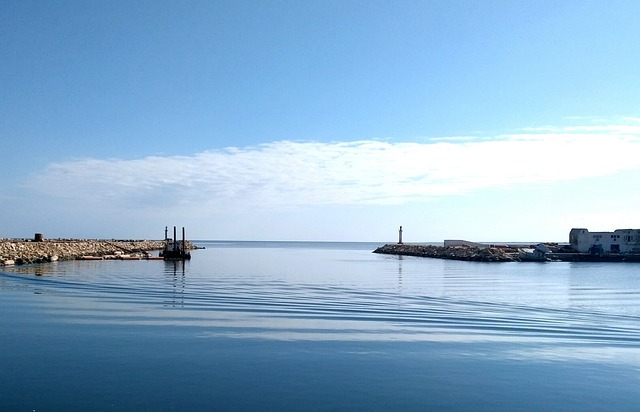
Image - Ardeauber
On the Tunisian coastline, the city of Gabès is struggling with a health crisis, as local officials report more than 120 residents have been hospitalised and cases of respiratory issues are on the incline. The city is home to the state-owned CGT’s (French acronym for ‘Tunisian Chemical Group’) chemical factory, which processes phosphate, one of the country’s most valuable resources, into fertilisers. Tunisia is situated on the world’s fourth-largest phosphate reserves. With the nation confronted with an economic crisis, phosphate is vital to the nation’s financial recovery, and government officials persistently embrace boosts in production. However, factory waste has led to air and water pollution, resulting in a decline in local health and destruction to regional agriculture. Following a recent gas leak from the plant, demonstrators have gathered in the streets of Gabès demanding the factory’s closure. This leaves one question to be asked: when does the price of financial prosperity become too much?
Local unrest surrounding the factory has emerged since its opening in the 1970s, citing concerns for local health and the impacts on the region’s agricultural industries, and recent gas leaks due to inadequate safety standards in the facilities only serve as an aggravation to the community’s prolonged dismay. In 2017, the government vowed to dismantle the plant and replace it with an internationally compliant facility, but no further action was taken. However, this lack of commitment from Tunisia’s government should come as no surprise. Motivated by economic opportunities, reductions in the phosphate industry only hinder the state’s influence in the global market, with the natural resource making up 15% of the country’s exports, contributing 3-4% to GDP. In 2023, incumbent President, Kais Saied pledged to prioritise the phosphate industry, hoping to capitalise on the deficits in international trade as a consequence of Russia’s 2022 invasion of Ukraine, tanking both Russian and Chinese exports that hold a monopoly over the market.
This shortfall in supply and hiking prices has opened the doors for Tunisia to profit from global dependence on fertilisers for food security. In desperate times of economic hardship, public disapproval is easy to cast aside when windows for financial expansion become attainable. Recent targets set this year hope to raise production rates by five times the current rates by the year 2030. Although monetary regeneration can be seen to overshadow citizens’ concerns, frequent sit-ins and demonstrations around phosphate plants and reserves across the southern region have been stunting efficiency in the complexes. Anger towards the phosphate industry doesn’t solely stem from environmental and health concerns but is also rooted in worries regarding a lack of job opportunities provided by the plants. Regional disparities in industry neglect the Tunisians of the south, resulting in disproportional unemployment rates between these areas and the urban cities of the North. While the national average sat at around 16% in 2024, unemployment rates in the South are often 10% higher than this. Faltering output and financial strains have caused the Tunisian phosphate industry to cut down on jobs given to residents in the regions, sparking outrage as locals are forced to bear the environmental effects without reward. Many feel exploited by the industry, which they’ve been unable to benefit from. Despite being at the centre of production, which the government employs as a key tactic for economic renewal, the rural population remain the most impoverished in the nation.
The environmental impacts add pressure on the government to shift the industry’s goal away from expansion in production and towards a sustainable and eco-friendly approach to prevent further damage. Harmful waste products poisoning the region’s population and ecosystems adds further insult to local frustrations. Agriculture, a prominent industry in the rural region, is particularly significant to safeguard, constituting just over 9% of Tunisia’s GDP in 2023. If the state wants to ensure the nation’s financial prosperity, it must maintain other sectors that contribute to the economy. The practice of keeping livestock is a necessity for the livelihood of most Tunisians in the south, serving not only as a primary source of income but also as a means of survival for rural communities that rely on more traditional means of subsistence. Phosphate threatens this custom, as hierarchical control over the water supply gives production plants priority, leaving locals with depleted access and polluted natural reserves. The contamination of the Gulf of Gabès has impacted the work of local fishermen, who report dramatic drops in the population of fish. This butchering of local ecosystems not only impairs those in agricultural occupations but also disturbs the region’s food chains, furthering insecurities and shortages already occurring because of inflation. Despite a lack changes and improvements to the conditions in Gabès, President Saied upholds the locals' concerns, stating that he wants an environmentally clean Tunisia for all citizens and blames previous governments’ policies (or lack thereof) for the “environmental assassination” that Gabès has been subjected to.
The threats posed to this way of life, along with financial desperation, are a driving factor in the emigration of younger generations. Faced by excessive unemployment, with 35% of young Tunisians being out of work in 2015, the nation’s youth feel hopeless about their future standards of living, pushing many to take the treacherous journey across the Mediterranean to seek a better life in Europe. Migration out of Tunisia can serve as a relief for the national economy through personal remittances from the country’s global diaspora, which the United Nations Economic Commission for Africa estimates will rise to nearly 8 billion Tunisian Dinars in the next year, easing some of the monetary strains experienced back home, whilst providing the second-largest source of foreign income. Having grown up observing these investments from family overseas, Tunisia’s youth view emigration to the West as a chance for both them and their family members to access improvements to living conditions. Particularly for those in the rural south, the traditional, indigenous way of life appears unsustainable, and locals are forced to abandon the Amazigh customs in favour of the more urbanised lifestyle of northern cities. Remittances, while beneficial, are ultimately limited in aiding the country’s faltering economy, unable to eliminate wider factors of financial suffering.
In Tunisia’s current political climate, the Gabès protests underscore citizens' growing frustration with the rule of President Saied and follow nationwide demonstrations that have occurred over the past year. Lots of protests stem from general irritation with the country’s stagnant socio-economic conditions, and many state that they feel ignored by government officials. Some citizens believe the transition to democracy after the Arab Spring leaves them back where they started. For the people of Gabès, the exasperation with Tunisia’s government is no different. Evident in the large-scale demonstrations that have halted the city for the past few weeks, the Tunisian public is tired of being mistreated, especially the residents of Gabès, whose needs have been ignored for too long. The government remain faced with the dilemma, the choice between continued harmful phosphate production and the needs of its citizens in Gabès, for whom financial regeneration seems redundant when confronted with the city’s declining health and deteriorating ecosystems. Gabès asks the state, ‘Is economic growth really worth our lives?’
Vita is a second year politics and ir student at the university of nottingham. She has a particular interest in the MENA region and the global rise in populism. She is also the workshop and development officer for her uni’s women in politics society.
.svg)



.svg)
.svg)

