

.svg)
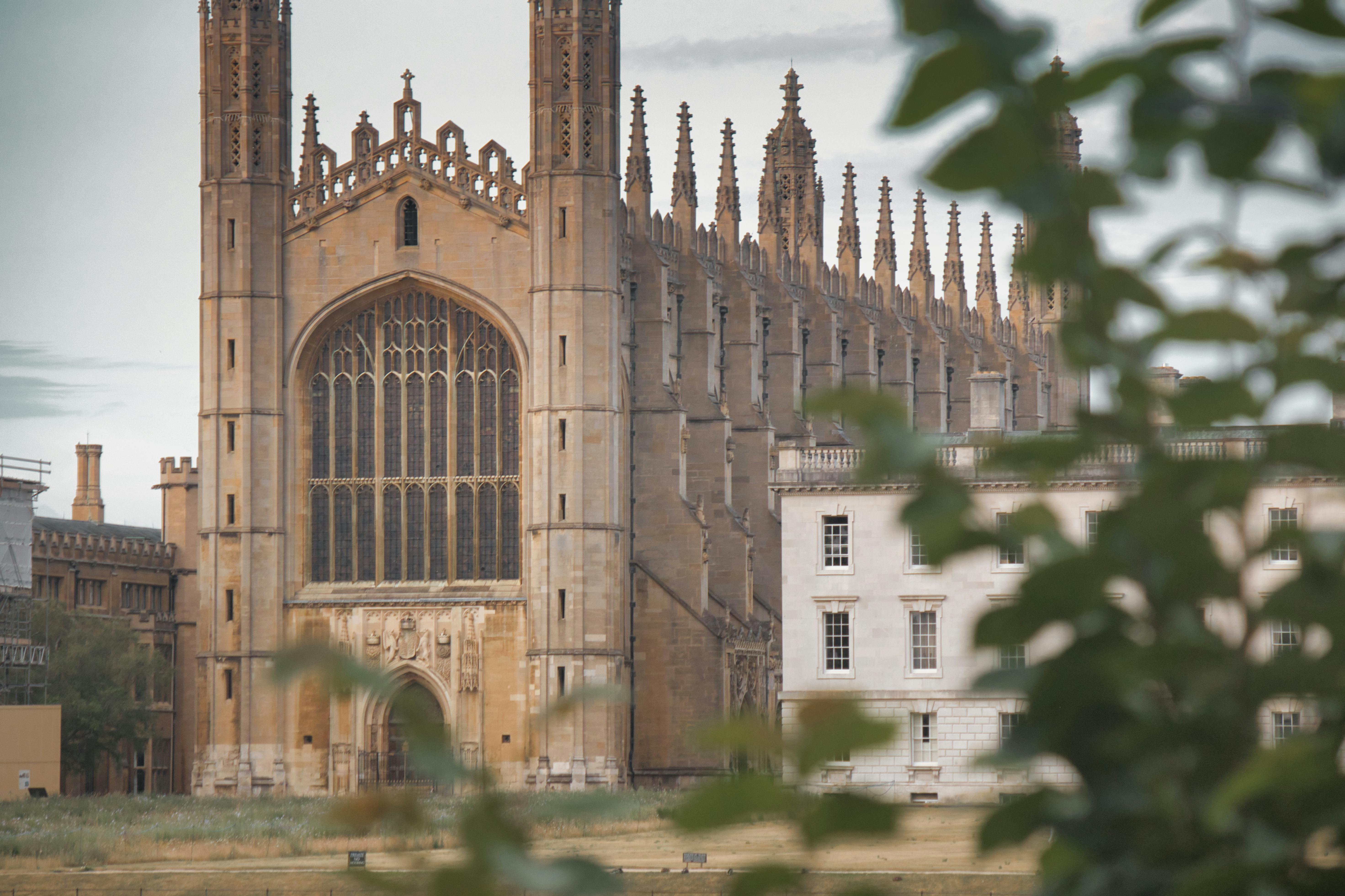
Photo - James Wong
In late August, University College London (UCL) announced that they would be making changes to their cleaning arrangements due to various reasons, one of which being that in a recent survey only 22% were happy with the cleanliness of the university’s facilities. UCL decided to lay off 143 members (approximately 30%) of the out-sourced cleaning staff hired by Sodexo, despite cleaners repeated statements about overwork and understaffing. Many were frustrated with these decisions, especially because the battle for in-house cleaners at UCL has been going on for years.
The strikes and protests that went on throughout this October at UCL haven’t seen much acknowledgement or change institutionally. This was also the case after the 8-daystrike of 2019, where hundreds of outsourced workers called for UCL to do better. Back then, Maritza Castillo Calle echoed the similar sentiment of today: “For decades UCL has treated its majority migrant and BAME outsourced workers like second class citizens, condemning them to a system of bullying and discrimination.” (link to her saying this) Many of the UCL cleaners say that Sodexo treat them unfairly and that it is only getting worse. The Cheese Grater student outlet recently reported one cleaner’s statement: “I am expected to do the job of two people without being paid for the extra work. I have been working as a UCL cleaner for many years, and the problem of understaffing has only increased.”
The overwhelming majority (75%) of universities in the UK hire their cleaners in-house and recognise them as equal members of staff to everyone else. UCL, University of the Arts London and Imperial College London still continue to out-source their cleaners despite the wishes of many of the students, staff, and wider community. Satisfaction levels for in-house cleaners average at 81% as opposed to 46% for out-sourced cleaners.
Imperial College London workers are also recently enraged, not about out-sourcing directly, but about the university’s financial decisions, many taking to strike on the 27th and 28th of October. Staff pay at Imperial is down 9% in real terms since 2018 despite the university being in a strong financial position. They also recently signed a new 5-year contract from Noonan Services to Mitie, continuing to out-source their cleaning. Over at UAL the ‘End Outsourcing’ campaign began in 2018 and students and staff have protested since, but still it has seen no change, as UAL continues to out-source their cleaners from OCS.
That being said, this is not the case across all London universities, with many battles having been won over the past decade. London School of Economics (LSE) welcomed their cleaners back home in 2018 after a hard-won battle against out-sourcing to Noonan Services. The 10-month strike at LSE starting in late 2016 was the biggest cleaners strike in UK history at the time. Similarly, Goldsmiths University and SOAS ended out-sourcing around this time too after pressure from the late-2010s strikes and protests.
Another reason UCL cited for the recent cuts was financial pressure, despite the university having the largest annual revenue in the UK last year aside from Oxford and Cambridge (reportedly over £2 billion). This is more than Greggs annual revenue last year, and triple that of Queen Mary University of London (£712 million) who take their cleaners in-house, and have done since 2008, years ahead of all their peers. At the time, there was a queue down the street for people desperate for a cleaning job where they could be treated as an equal member of staff to everyone else at the institution. This demonstrates not only how much cleaners want to be taken in-house, but also that the excuse of ‘financial pressure’ does not really stand when universities who make far less money are able to prioritise and respect their staff as is deserved.
A big reason why UCL earns as much as it does is the size of the student body (approximately 51k),the largest in the UK, and the large proportion of the student body who pay higher fees - numbers of post-graduate (25k) and international (26k) students also being the largest in the UK. Half of the overwhelmingly large student body are either paying postgraduate or international fees, or both. In their statement, they said that the cost-cutting agenda for the cleaners was part of their commitment to paying their non-outsourced staff higher wages – “These savings will help us maintain our financial performance so we can continue to create the best environments to support our world-leading teaching and research”. This further emphasises the fact that they do not consider the cleaners as equal to the rest of the staff.
On the whole, the evidence suggests that all students and staff within the higher education system benefit from in-house cleaners. 84% of in-house teams are seen as offering value for money, compared to 48% of outsourced services. Satisfaction levels with the cleaning are far greater in-house as opposed to outsourced (81% vs 46%). Ultimately, it is pretty clear that UCL and all UK universities have the means and the incentive to take their cleaners in-house if they wanted to. Continuing to not make this a priority is only becoming more disappointing as time goes on.
All staff who contribute to the learning and education of university students are invaluable. Without cleaners, without security, without teaching assistants, without caterers, education would fall apart. Institutions know this, so why won’t they respect them as such?
Carina is a final year student at UCL. Some of her interests include education policy, data privacy and climate change action. She also loves to make music.
.svg)


.jpg)
.svg)
.svg)