

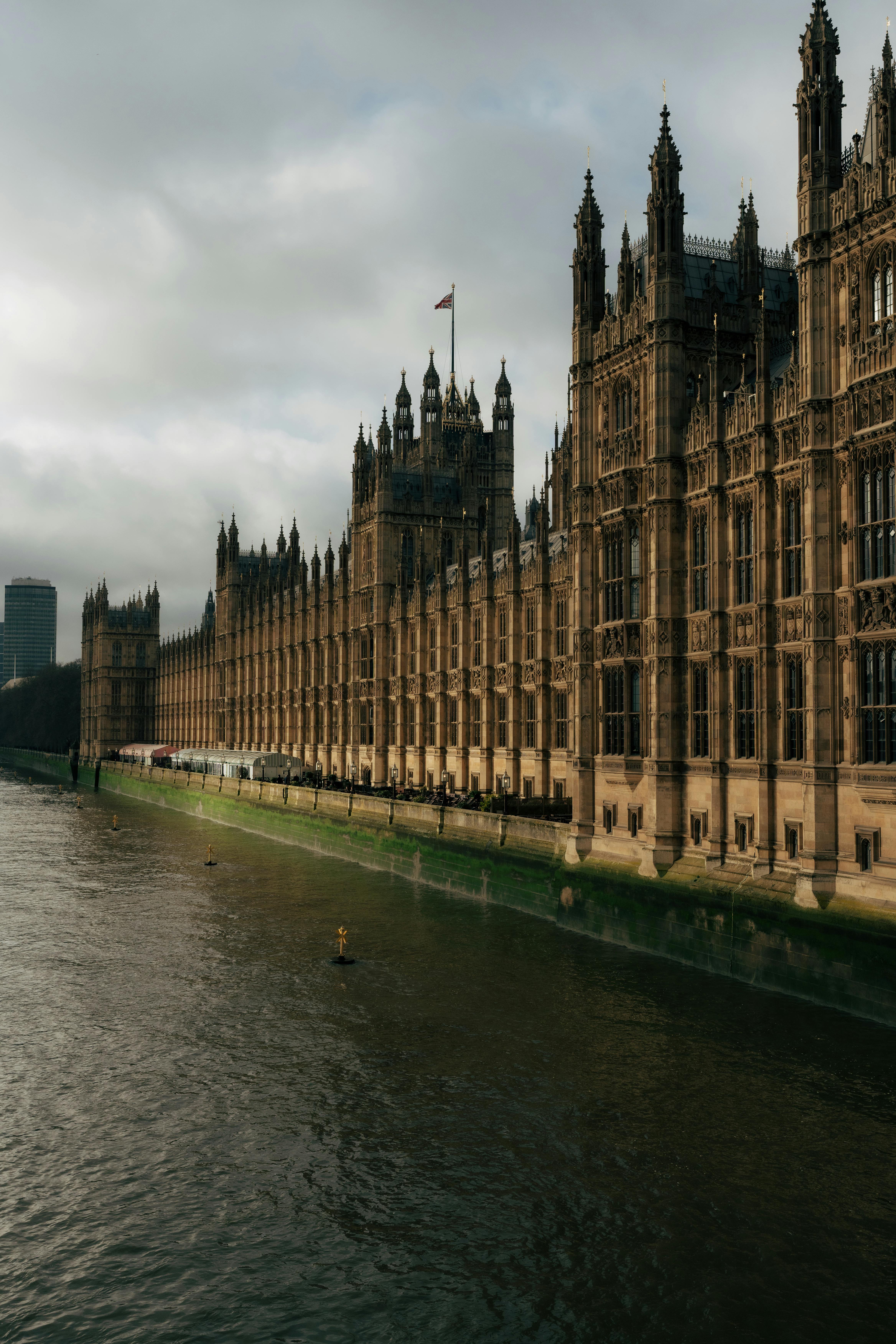
Out of the 43 countries in Europe, 40 of them use a Proportional Representation (PR) electoral system. PR is when parties gain seats in proportion to the number of votes they gain; so, a party that receives 20% of votes gains 20% of the seats.
The UK stands alone in that they still use First-Past-The-Post (FPTP). This is when the party with the plurality of the votes wins outright, fundamentally misrepresenting the public will. In a representative democracy these systems should equally represent the voters’ interests, but FPTP fails to do so.
This article argues that the UK’s unique status comes at an anti-democratic cost: FPTP suppresses voter choice, creates and embeds a dysfunctional duopoly, and, as this analysis will showcase, severely depresses voter turnout. The case for PR is not merely theoretical, but a practical blueprint for a more representative and engaged democracy.
The most visible flaw of the UK’s FPTP system is that it fails to translate votes into fair representation. A system where the party with the most votes wins outright does not effectively represent most voters. In the 2024 general election Labour secured 63% of parliamentary seats (412/650) with only 34% of the national vote. In other words, 66% of the UK did not support the winning party, yet Labour is rewarded with a commanding majority. The consequence is a Parliament that doesn’t reflect the public’s will, but a politically active minority.
Statistically, most of the country is being ignored. FPTP entrenches a political duopoly where the parties that broadly represent the left and right wing policies– opposing interests – are the most successful. Labour’s historical success is because they’re seen as the general left-wing party.
Left wing voters who are dissatisfied with Labour face a disheartening choice. One option is to compromise by voting against their interests because a vote for a more representative left-wing party, like the Greens, is a wasted vote. Or, understandably, they could refuse to go against their principles and abstain from voting altogether. This dynamic suppresses genuine political diversity and sidelines emerging voices.
PR is the structural solution to multi-party politics. Under PR, minority votes would not be seen as a waste because every vote contributes to a party’s seat allocation. If the UK used PR in the 2024 general election, Labour would have roughly 35% of seats, Conservatives 24% and so on. Each party will gain seats according to their share of votes, ensuring parliamentary representation accurately reflects public opinion. This system incentivizes genuine multiparty democracy, allowing more diverse voices - from Greens to Reform - to gain meaningful influence without sacrificing their principles to the tactical demands of a two-party duopoly. Instead of large parties cannibalizing votes and undermining the policies from smaller parties, these parties can stay true to themselves without betraying their voters.
The impact these differing electoral systems have on political engagement is clear. The 2024 general election voter turnout was 59.9%, the 2nd lowest since universal suffrage in 1928. In contrast, the European countries who do use PR all have a 70% or greater average turnout. When there’s a diverse range of political opinions represented, voters are more encouraged to vote because they can contribute to gaining seats for their party no matter how small. 60% of the UK support changing the electoral system, so there’s visible frustration with FPTP that cannot be reconciled. PR is not merely an alternative voting system. It is a pathway to a more representative, responsive, and robust democracy.
Another case for PR and a positive consequence of increased voter turnout is that competitive democracies provide more dynamic and accountable democracies for MPs because the concept of “safe seats” is dismantled.
Under FPTP, MPs in constituencies dominated by a single party can become complacent as their seat is safe. Labour strongholds like Bootle, Liverpool Walton and Liverpool West Derby, where the majority vote was over 50%, face little electoral threat. This means that rival party MPs are less inclined to seriously campaign to take over the area because it’s unlikely they can cause any change. This breeds complacency and disconnection, as incumbents know they are unlikely to be unseated regardless of their performance. Simultaneously, minority voters will not feel fairly represented by their constituency and may refuse to bother voting.
There’s a clear appetite for change. Nearly one in every five seats – 115 in total – were won by a margin of 5% or less of total votes cast and the number of marginal wins was biggest in the 2024 election. Unfortunately, FPTP cannot accommodate this appetite because it reduces the power of singular votes, silencing political minorities who have an equal right to be represented by their government.
PR can give these minorities a voice. Under PR, multi-member constituencies such as Ireland (5 MPs per constituency) and Malta (3-5 MPs) ensure that representation is proportional and reflects public will. This may mean that the UK needs to have larger constituencies under PR, but this is not negative. Voters can hold MPs under greater scrutiny because a loss in votes will almost always result in a loss of seats. MPs can no longer afford to ignore their constituents. This will turn passive “safe” seats into active, accountable partnerships between voters and their representatives.
PR overall ensures minority voters are represented at both constituency and national levels, making democracy more reflective and accountable.
Ultimately, the case for Proportional Representation in the UK is a case for a stronger democracy. FPTP is an outdated system that distorts public will, entrenches a polarizing duopoly, and erodes voter confidence, as evidenced by declining turnout. PR, by contrast, is the current standard among European democracies for a good reason: it guarantees that every vote counts and this fosters genuine multi-party competition, which then results in direct accountability between representatives and the public they serve.
Adopting PR is not a partisan issue, but a fundamental reform to create a Parliament that truly reflects everyone that votes. PR is the necessary step to rebuild a responsive, engaged, and truly representative democracy for the future. The evidence is clear; the public demand for a new electoral system is growing, and turnout for FPTP has been declining in historical levels. The question is no longer if the system should change, but when.
.svg)
.svg)


.jpg)
.svg)
.svg)